
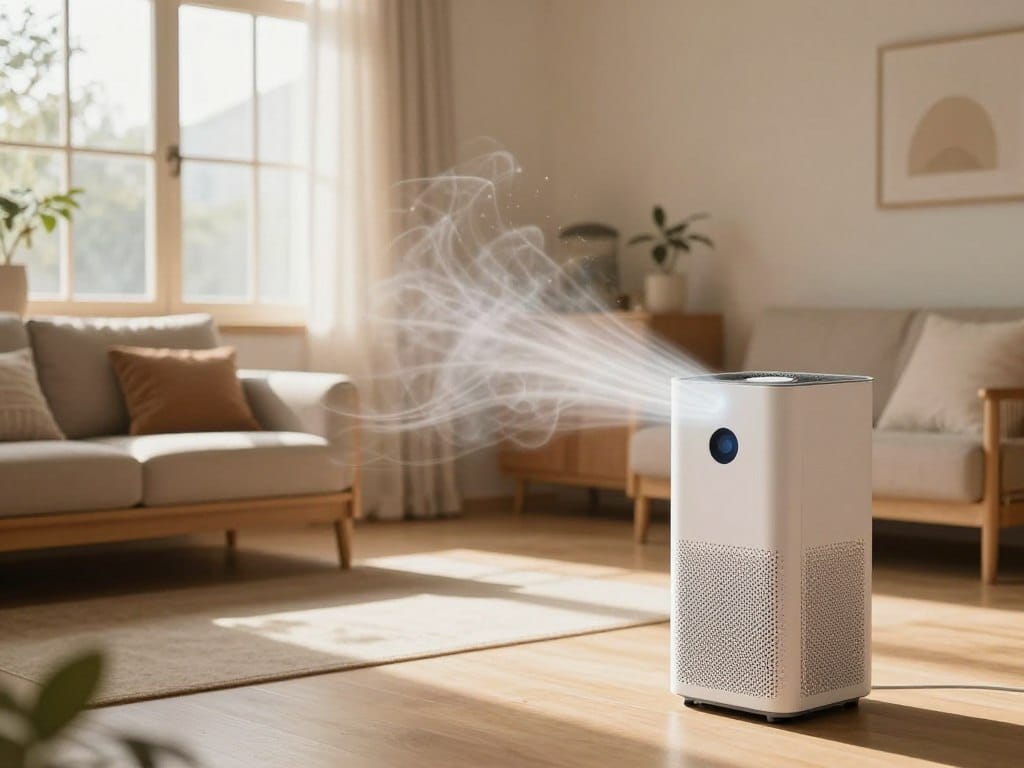
Achieving a healthy home environment depends heavily on how you manage your indoor atmosphere. Many homeowners invest in high-quality filtration technology but fail to see results because of poor positioning. Finding the best place to put air purifier hardware is essential for maximizing your device’s efficiency and ensuring clean breathing conditions.
For peak performance, locate your unit in a central, unobstructed area. Elevating the machine two to three feet off the ground helps it capture pollutants more effectively. Proper airflow is vital, so ensure you maintain at least one to two feet of clearance on all sides. This simple strategy allows the system to circulate oxygen freely throughout your living space.

Key Takeaways
- Position your device in a central, open area for maximum coverage.
- Elevate the unit two to three feet above the floor level.
- Keep at least one to two feet of space clear around the machine.
- Avoid placing units in corners or behind furniture to prevent airflow blockage.
- Strategic placement directly improves the health benefits of your indoor environment.
Understanding Airflow Dynamics in Your Home
Your home acts as a complex ecosystem where invisible air currents dictate the performance of your filtration system. Achieving optimal air quality requires more than just turning on a device; it demands an awareness of how air travels from room to room. By grasping these movement patterns, you can ensure your purifier works at its peak potential.

How Air Purifiers Process Indoor Pollutants
Most modern air purifiers function by creating a continuous cycle of intake and output. The unit draws in ambient air, pulling it through a series of filters designed to trap microscopic particles. High-efficiency particulate air (HEPA) filters are the gold standard, capturing dust, pollen, and smoke with remarkable precision.
Once the air passes through these stages, the purified stream is released back into the room. This process relies on the device’s ability to maintain a consistent Clean Air Delivery Rate (CADR). When the intake is unobstructed, the machine can process the entire volume of a room’s air multiple times per hour.
“The quality of the air we breathe indoors is directly linked to the efficiency of our ventilation and filtration systems.”
The Role of Room Layout in Filtration Efficiency
The physical configuration of your living space significantly influences how air circulates toward your purifier. Large furniture, heavy curtains, and closed doors can create “dead zones” where air remains stagnant. These obstacles prevent the purifier from accessing the full volume of air in the room, effectively limiting its cleaning range.
To maximize efficiency, consider the natural pathways of your home. Open floor plans generally allow for better air movement, while smaller, partitioned rooms may require more strategic placement. Strategic positioning ensures that the intake vents are not blocked, allowing the device to pull in air from all directions without resistance.
Determining the Best Place to Put Air Purifier
Strategic placement of your air purifier is the secret to maximizing its filtration power. When you invest in high-quality equipment, the best place to put air purifier units is in an area that allows for maximum air circulation. Proper positioning ensures that the device can effectively treat the entire volume of air within your living space.

Why Centralized Placement Maximizes Coverage
A central location is often the most effective choice for any room. By placing the unit in the middle of an open area, you allow the device to draw in air from all directions simultaneously. This centralized approach helps the purifier process a larger volume of air, which leads to faster and more consistent results.
When you choose the best place to put air purifier systems, think about the natural flow of air in your home. A central spot prevents the machine from working harder than necessary to reach stagnant air pockets. This efficiency not only improves air quality but also helps extend the lifespan of your filters.
Avoiding Obstructions for Uninterrupted Airflow
To maintain peak performance, you must keep the area around your device clear. Many homeowners make the mistake of tucking their units into corners or behind heavy furniture. These obstacles block the intake vents, which severely limits the amount of air the machine can process.
The best place to put air purifier hardware is away from walls, curtains, or large objects that might restrict airflow. By maintaining an unobstructed path, you ensure that the unit can pull in contaminants from every corner of the room. Clearance is key to ensuring your air purifier operates at its full potential every single day.
The Importance of Elevation and Clearance
Achieving peak performance from your air cleaning device requires careful attention to its physical environment. Many homeowners overlook the fact that the strategic placement of a unit is just as vital as its filtration technology. By following specific guidelines regarding height and surrounding space, you can ensure your device operates at its maximum potential.
Why Units Should Be Elevated 2 to 3 Feet
Most airborne pollutants, such as dust, pollen, and pet dander, tend to circulate within the breathing zone of a room. Placing your air purifier directly on the floor often means the intake vents are pulling in heavier debris or carpet fibers rather than the particles you actually inhale. Elevating your unit 2 to 3 feet off the ground positions it perfectly to capture these contaminants before they settle.
Using a sturdy table or a dedicated stand can make a significant difference in how effectively your machine cleans the air. This height adjustment allows the fan to draw in air from a wider radius, effectively increasing the clean air delivery rate. It is a simple modification that yields immediate improvements in air quality.
Maintaining 1 to 2 Feet of Clearance on All Sides
Air purifiers require a steady stream of intake air to function correctly. If you place your unit too close to walls, curtains, or large furniture, you effectively choke the airflow. Maintaining at least 1 to 2 feet of clearance on all sides is essential for preventing the motor from overheating and ensuring the device can circulate air throughout the entire room.
When a unit is cramped, the internal fan must work much harder to pull air through the filter, which can lead to premature wear and tear. Proper spacing allows the exhaust to distribute purified air evenly, preventing stagnant pockets from forming in your living space. Always prioritize open areas to ensure your investment lasts for years to come.
| Placement Factor | Recommended Distance | Primary Benefit |
|---|---|---|
| Elevation | 2 to 3 Feet | Targets breathing zone particles |
| Wall Clearance | 1 to 2 Feet | Prevents motor overheating |
| Furniture Gap | 1 to 2 Feet | Ensures unrestricted airflow |
Optimizing Placement for Specific Rooms
Achieving optimal air purity requires a tailored approach based on the specific function of each living space. Because every room serves a different purpose, the best place to put air purifier units will vary depending on your daily habits and the layout of your home.
Positioning Purifiers in Bedrooms for Better Sleep
In the bedroom, your primary goal is to minimize noise while maximizing air exchange during the night. Place the unit at least three feet away from your head to ensure a quiet and undisturbed sleep environment.
Positioning the device near the bedroom door or a central wall helps circulate air effectively throughout the entire room. This strategy ensures that allergens are captured before they settle on your bedding.
Strategic Placement in Living Areas and Open Floor Plans
Living rooms often serve as the heart of the home, making them high-traffic zones that require consistent filtration. Finding the best place to put air purifier hardware in an open floor plan involves identifying a central location that avoids blocking walkways.
Placing the device near the main seating area allows it to intercept pollutants like dust and pet dander before they circulate further. Consistency is key when managing air quality in large, shared spaces.
Managing Air Quality in Kitchens and Dining Spaces
Kitchens present unique challenges due to cooking odors, smoke, and airborne grease particles. The best place to put air purifier in this area is away from the stove to prevent the filter from clogging with heavy grease.
Positioning the unit near the dining area or the edge of the kitchen helps neutralize lingering smells after meals. Regular maintenance is essential here, as these environments often demand more frequent filter changes to keep the system running at peak performance.
Common Placement Mistakes to Avoid
Even the most advanced air purification technology can fail if it is placed in the wrong spot. Many homeowners unknowingly sabotage their indoor air quality by choosing poor locations for their devices. Identifying the best place to put air purifier units is just as important as selecting the right model for your home.
The Dangers of Corner and Closet Placement
Placing a device in a tight corner or a closet significantly restricts the intake of air. These units rely on a steady flow of air to pull in pollutants and circulate clean air back into the room. When you trap a purifier in a cramped space, it struggles to draw in enough volume, which forces the motor to work harder than necessary.
This inefficiency leads to higher energy consumption and premature wear on the internal components. Furthermore, the air circulation pattern becomes stagnant, leaving large portions of your room untreated. To ensure your device functions correctly, always provide enough space for the intake and exhaust vents to breathe.
Why Placing Units Behind Furniture Hinders Performance
Many people attempt to hide their air purifiers behind sofas, curtains, or heavy cabinets for aesthetic reasons. Unfortunately, this is a major mistake that prevents the unit from effectively cleaning the air. If you block the airflow, the device will only process the air in that small, hidden pocket rather than the entire room.
Finding the best place to put air purifier equipment means prioritizing function over concealment. When the unit is obstructed, it cannot detect changes in air quality accurately. This results in the sensor failing to trigger higher fan speeds when pollutants are present, leaving your living space vulnerable to dust and allergens.
Avoiding Proximity to Windows and Exterior Doors
Placing your purifier near an open window or a drafty exterior door is counterproductive. These areas are constant sources of outdoor pollutants, such as pollen, exhaust fumes, and dust. If the unit is positioned here, it will constantly work to filter incoming outdoor air instead of cleaning the air already inside your home.
Consider these common errors to keep your air quality high:
- Corner confinement: Restricts intake and creates dead zones.
- Furniture obstruction: Blocks the path of clean air circulation.
- Drafty locations: Forces the unit to process outdoor contaminants.
- Closet storage: Prevents the device from reaching the main living area.
By avoiding these pitfalls, you ensure that your investment provides the maximum health benefits. Always remember that the best place to put air purifier systems is in an open, central location with clear access to the room’s airflow.
Integrating Air Purifiers with HVAC Systems
Balancing your central heating and cooling system with portable air purifiers creates a comprehensive defense against indoor pollutants. While your HVAC system is designed to circulate air throughout the entire home, it may struggle to capture fine particles in specific rooms. Adding a portable unit allows you to fine-tune the air quality in spaces where you spend the most time.
Complementing Central Air with Portable Units
Central HVAC systems typically rely on a single return vent to pull air through a filter. This process is excellent for general dust control but often lacks the high-efficiency particulate air (HEPA) capabilities needed for allergens or smoke. Portable purifiers act as a secondary layer of protection in high-traffic areas like bedrooms or home offices.
By placing a portable unit in a room with poor circulation, you prevent the buildup of stagnant air. This strategic layering ensures that your home environment remains consistently fresh. You essentially create a hybrid system that leverages the reach of your HVAC with the precision of localized filtration.
Managing Airflow Patterns Near Vents and Returns
Proper placement requires careful attention to how your HVAC system moves air. You should avoid placing a portable purifier directly in front of a supply vent, as the strong blast of air can interfere with the unit’s internal sensors. This conflict often causes the purifier to work harder than necessary or provide inaccurate readings.
Similarly, keep your device away from return registers to prevent the two systems from competing for the same air. The goal is to allow the purifier to create its own independent circulation loop within the room. When positioned correctly, the two systems work in harmony to maintain a healthy atmosphere.
| Feature | Central HVAC System | Portable Air Purifier |
|---|---|---|
| Primary Function | Whole-home temperature control | Localized particle removal |
| Filtration Level | Standard MERV ratings | True HEPA performance |
| Coverage Area | Entire house | Single room or zone |
| Maintenance | Seasonal filter changes | Frequent filter monitoring |
Environmental Factors Affecting Purifier Performance
Beyond just placement, the climate inside your home significantly impacts the lifespan of your air purification system. While these devices are designed to handle various indoor conditions, extreme environmental shifts can compromise their internal mechanics. Proactive management of your home’s atmosphere ensures that your investment continues to provide clean air for years to come.
Humidity Levels and Filter Longevity
High humidity is a common enemy of high-efficiency particulate air (HEPA) filters. When moisture levels remain consistently high, the filter media can become damp, creating a breeding ground for mold and mildew. Excessive moisture not only degrades the filter material but can also lead to unpleasant odors circulating back into your living space.
To protect your device, avoid placing it in areas prone to dampness, such as near indoor pools, bathrooms without ventilation, or basements with high humidity. If you live in a humid climate, consider using a dehumidifier alongside your air purifier. This combination helps maintain a stable environment, allowing the filter to capture pollutants effectively without becoming saturated by water vapor.
Temperature Considerations for Electronic Components
Air purifiers rely on sensitive electronic components and internal sensors to monitor air quality and regulate fan speeds. Placing your unit near heat sources like radiators, space heaters, or direct sunlight can cause these parts to overheat. Consistent exposure to high temperatures often leads to premature wear and may cause the device to malfunction or shut down unexpectedly.
It is best to keep your purifier in a climate-controlled area where the temperature remains stable throughout the day. Avoid tucking the unit into tight, unventilated spaces where heat can build up around the motor. By ensuring proper airflow and keeping the device away from extreme heat, you preserve the integrity of the internal circuitry and ensure reliable performance.
Safety and Maintenance Considerations
Beyond performance, the long-term reliability of your air purifier depends on how you manage its safety and upkeep. While these devices are designed to improve your indoor environment, they require a thoughtful approach to placement to ensure they remain stable and functional. Proactive care prevents accidents and keeps your air quality consistent throughout the year.
Securing Units in Homes with Pets and Children
In households with active children or curious pets, the physical stability of your air purifier is a top priority. A unit that is easily knocked over can suffer internal damage or pose a tripping hazard. To mitigate these risks, consider the following safety measures:
- Anchor the unit: If your model is tall or top-heavy, use furniture straps to secure it to a wall or heavy piece of furniture.
- Manage power cords: Use cord covers or cable organizers to prevent pets from chewing on wires or children from pulling the unit down.
- Choose stable locations: Place the device in a corner or against a wall where it is less likely to be bumped during daily activities.
“The most effective air purifier is one that remains operational and safe; never underestimate the importance of securing your equipment in high-traffic areas of the home.”
Ensuring Easy Access for Filter Replacements
Routine maintenance is the heartbeat of an efficient air purification system. If you hide your unit in a tight, inaccessible spot, you are far less likely to perform the necessary filter changes on time. Consistent filter replacement is essential for maintaining optimal airflow and capturing microscopic pollutants effectively.
Always select a location that allows you to open the filter compartment without moving heavy furniture or struggling with tight spaces. A good rule of thumb is to keep at least two feet of clearance around the access panel. This simple habit ensures that your maintenance schedule remains stress-free and highly effective for your home health.
Conclusion
Achieving pristine indoor air requires more than just purchasing a high-quality device from brands like Dyson, Blueair, or Coway. Success depends on the deliberate placement of your equipment within your living space.
Prioritizing central locations allows your unit to process air from multiple directions. Elevating the device and maintaining clear space around the intake vents ensures that your investment operates at peak performance levels.
Small adjustments to your room layout yield significant results for your respiratory health. Consistent airflow patterns prevent stagnant pockets of dust and allergens from settling in your home.
Take a moment to evaluate your current setup today. Moving your purifier away from walls or furniture creates an immediate impact on the purity of the air you breathe. Your commitment to these placement strategies builds a safer, cleaner sanctuary for everyone in your household.