
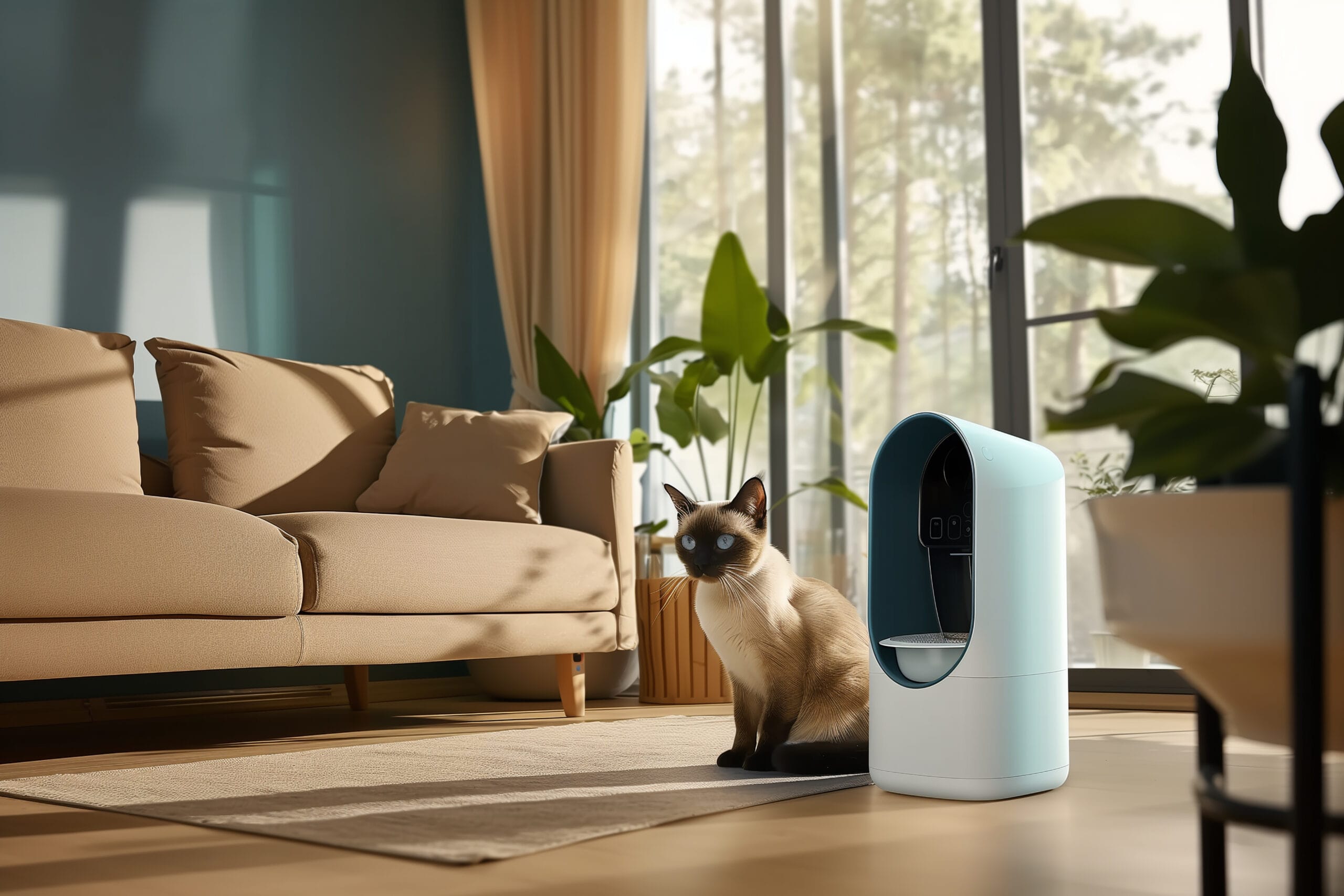
Indoor plants do much more than decorate your home. The Best Small Humidifiers for Plants help create the perfect moisture balance for tropical houseplants like Monstera, Ferns, Calatheas, and Philodendrons that often struggle in dry indoor air. These compact humidifiers improve humidity levels, helping prevent brown leaf tips, curling leaves, dryness, and slow growth while creating a healthier indoor environment.
Small humidifiers are energy-efficient, quiet, and ideal for bedrooms, offices, shelves, and indoor plant corners. They provide consistent moisture without taking up much space, making them perfect for everyday plant care.
In this complete guide, you’ll learn how small humidifiers benefit plants, what features matter most, and how to choose the right model for your indoor garden setup.
Levoit Smart Ultrasonic Cool Mist Humidifier
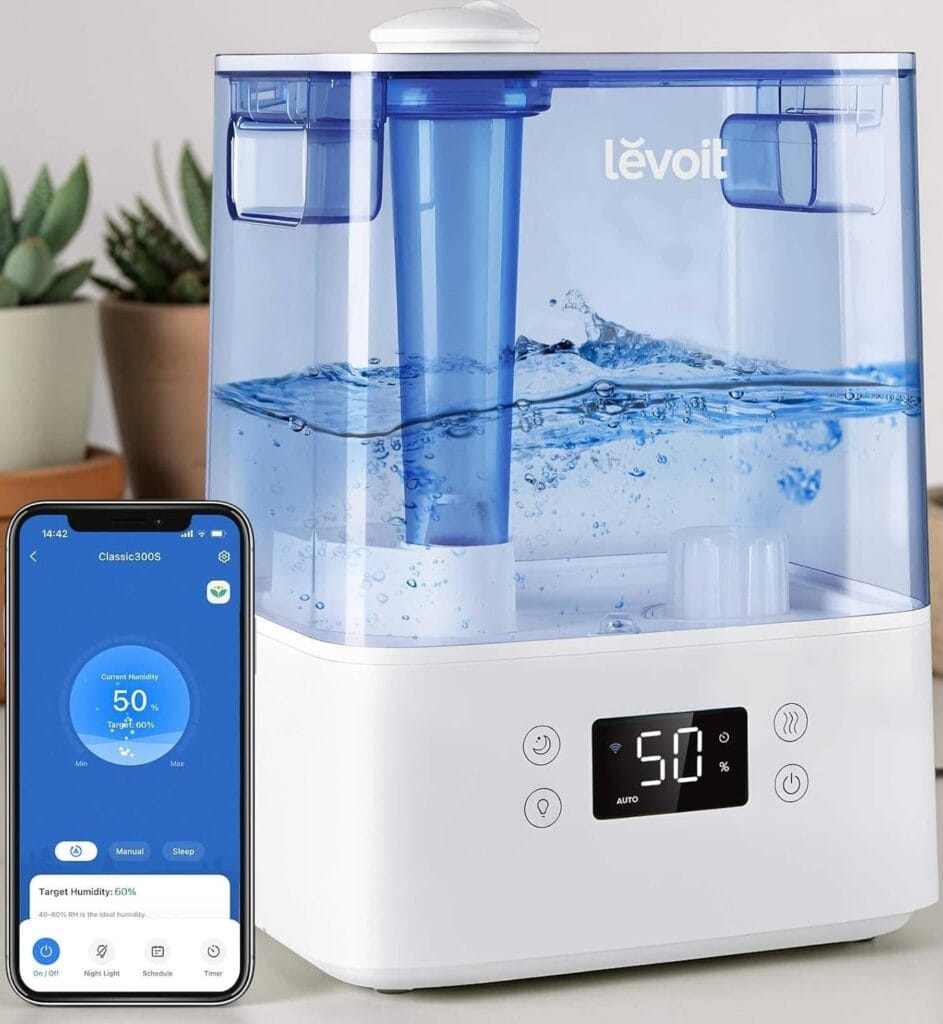
- Ultrasonic cool mist technology for fine, even moisture output
- Smart humidity control for maintaining ideal indoor levels
- Quiet operation, suitable for bedrooms and plant spaces
- Large water tank for longer runtime without frequent refills
- Adjustable mist levels for customized humidity settings
- Auto shut-off safety feature when water runs low
- Easy-to-clean design for simple maintenance
- Energy-efficient performance for daily use
- Ideal for indoor plants, bedrooms, and medium-sized rooms
1. Why Your Plants Need a Humidifier
1.1 Understanding Plant Humidity Needs
- Tropical plants thrive in 50-80% humidity: Species like Monstera, Philodendron, and Ferns naturally grow in humid rainforest environments and suffer from dry indoor air
- Indoor heating removes moisture: Central heating systems and air conditioning can drop humidity levels to 20-30%, far below what most houseplants prefer
- Signs your plants need more humidity: Brown leaf tips, crispy edges, slower growth, and increased susceptibility to spider mites and other pests indicate insufficient moisture in the air
- Grouping plants amplifies humidity: When multiple plants are placed together with a small humidifier, they create a microclimate that benefits the entire collection
- Room size matters for humidifier selection: A 2.5-4.5L capacity humidifier works best for bedroom or office plant setups, while larger collections may need multiple units
1.2 Key Benefits of Best Small Humidifiers for Plants
There are no humidifiers specifically designed for plants—any quality humidifier will boost the relative humidity in your space and support healthier plant growth. [2] The benefits extend beyond just preventing wilting: increased humidity enhances nutrient absorption, supports photosynthesis, strengthens leaf structure, and creates conditions that discourage common houseplant pests like spider mites and scale insects.
2. Top Small Humidifier Models for Plant Lovers
2.1 Best Overall Models Comparison
| Model | Tank Size | Coverage | Key Features | Best For |
| Levoit Smart Ultrasonic Cool Mist | 2.5L | Medium rooms | App control, quiet operation | Plant collections with tech preference |
| AC Infinity CloudForge T3 | 4.5L | Large rooms | Ultrasonic, grow tent compatible | Indoor gardeners and serious enthusiasts |
| Dreo HM311S Smart | 4L | Large rooms | Smart controls, auto shut-off | Tech-savvy plant parents [8] |
| Pure Enrichment MistAire | 1.5-2L | Small rooms | Budget-friendly, easy to clean | Beginners on a budget |
| Rosekm KC-KM13T | Compact | Small to medium | Quiet, simple design | Minimalist desk plant setups |
2.2 Premium vs. Budget Options
Premium Tier Models feature smart connectivity (WiFi/app control), advanced auto-shutoff sensors, whisper-quiet operation under 30dB, and larger tank capacities (4-4.5L) that require less frequent refilling. These are ideal if you want set-and-forget convenience and plan long-term investment in plant care. [2]
Budget-Friendly Options like Pure Enrichment MistAire deliver solid performance at lower price points, making them perfect for testing whether humidification helps your plant collection before investing in premium models. Most maintain reliable cool mist output despite simpler mechanics.
2.2.1 Popular Recommended Brands
- Levoit: Consistently praised by plant enthusiasts for quiet performance and intuitive controls; available at multiple price points
- Dreo: Strong performer in smart features; offers good value with app integration and 24-hour timer functions
- AC Infinity: Specialized in grow tent environments; preferred by serious indoor gardeners [1]
- Pure Enrichment: Entry-level reliability; no-frills approach appeals to casual plant parents
3. Smart Buying Guide: How to Choose Your Ideal Humidifier
3.1 Essential Selection Criteria
- Tank capacity 2.5-4.5L: Allows 12-24 hour continuous operation depending on mist setting, reducing refill frequency for busy plant parents
- Ultrasonic technology: More efficient than evaporative models; produces cool mist that won’t damage delicate foliage or cause mineral buildup when using distilled water
- Noise level under 30dB: Essential for bedroom or office spaces where humidifiers run continuously; sounds comparable to quiet conversation
- Auto shut-off function: Safety feature that prevents overheating and water waste; some models include humidity sensors that activate only when levels drop below target
- Easy-clean design: Removable tank and wide opening make regular maintenance simple; preventing mineral deposits keeps the unit functioning optimally
- Portability: Lightweight construction with carrying handle allows repositioning between plant groupings or rooms as seasonal needs change
3.2 Common Mistakes to Avoid
Most plant parents make these purchasing errors: buying oversized units that waste energy for small collections, using tap water instead of distilled water (creating white mineral dust), placing humidifiers directly on wooden furniture (causing moisture damage), or ignoring the humidity sensor settings that allow customization for your specific plants and room conditions.
3.2.1 Maintenance & Longevity Tips
| Maintenance Task | Frequency | Benefit |
| Empty and rinse tank | Every 2-3 days | Prevents bacterial growth and mold |
| Deep clean with vinegar | Weekly | Removes mineral deposits; extends unit lifespan |
| Replace filter (if applicable) | Every 1-3 months | Maintains mist output quality and purity |
| Check water level | Daily | Prevents dry-running that damages ultrasonic membrane |
| Store properly in off-season | Annually | Keeps mechanisms in working order for next year |
3.2.2 Water Type Matters
Always use distilled or demineralized water to prevent white mineral dust coating your plants and furniture. While tap water is cheaper, the mineral accumulation clogs nozzles and degrades performance within weeks. Many plant enthusiasts find that distilled water costs are offset by the humidifier’s extended lifespan and reduced cleaning time.
4. Real-World Application & Getting Started
4.1 Setup Recommendations by Plant Collection Type
- Small desk setup (5-10 plants): Place a compact 1.5-2.5L humidifier at the center of your plant grouping; run 8-12 hours daily to maintain 50-60% humidity
- Bedroom plant wall (15-25 plants): Position a 4L smart humidifier with auto-shutoff to maintain 60-70% humidity; schedule operation during evening/night when humidity naturally drops
- Grow tent or enclosed space: AC Infinity CloudForge T3’s 4.5L capacity and specialized design make it ideal; compatible with tent controllers for automated humidity management [1]
- Mixed tropicals and succulents: Zone your plants separately if possible; run humidifier near tropical species while keeping succulents farther away to prevent root rot
4.2 Optimal Placement Strategy
Position your humidifier on a stable, water-resistant surface (avoid wooden nightstands) about 3-5 feet away from plants so mist distributes evenly rather than drenching one area. Ensure the air outlet faces away from electronics and avoid direct wall contact to allow proper air circulation. For multi-level plant stands, elevated placement provides better coverage than ground level.
4.2.1 Troubleshooting Common Issues
- White mineral dust on leaves: Switch to distilled water immediately; clean leaves gently with soft cloth
- Humidifier stops producing mist: Check for mineral buildup; soak nozzle in equal parts white vinegar and water for 30 minutes
- Humidity readings don’t match expectations: Verify the humidity meter accuracy by comparing with a smartphone humidity app; consider room size may exceed single humidifier capacity
- Plants developing fungal issues despite humidity: Improve air circulation with a small fan to prevent stagnant moisture; ensure room temperature stays 65-75°F
4.3 Long-Term Plant Care Integration
Think of your humidifier as one tool in an integrated plant care routine. Pair it with consistent watering schedules, adequate lighting, and proper ventilation. During winter months when heating systems run constantly, run your humidifier 12-16 hours daily; reduce to 6-8 hours in humid seasons. Monitor your specific plants’ responses over 2-3 weeks and adjust settings based on leaf condition and growth patterns.